Carry Is Earned by Surviving Repricing
第 2 封:利差要靠撐過重定價來賺
Dear Shareholders,
致股東:
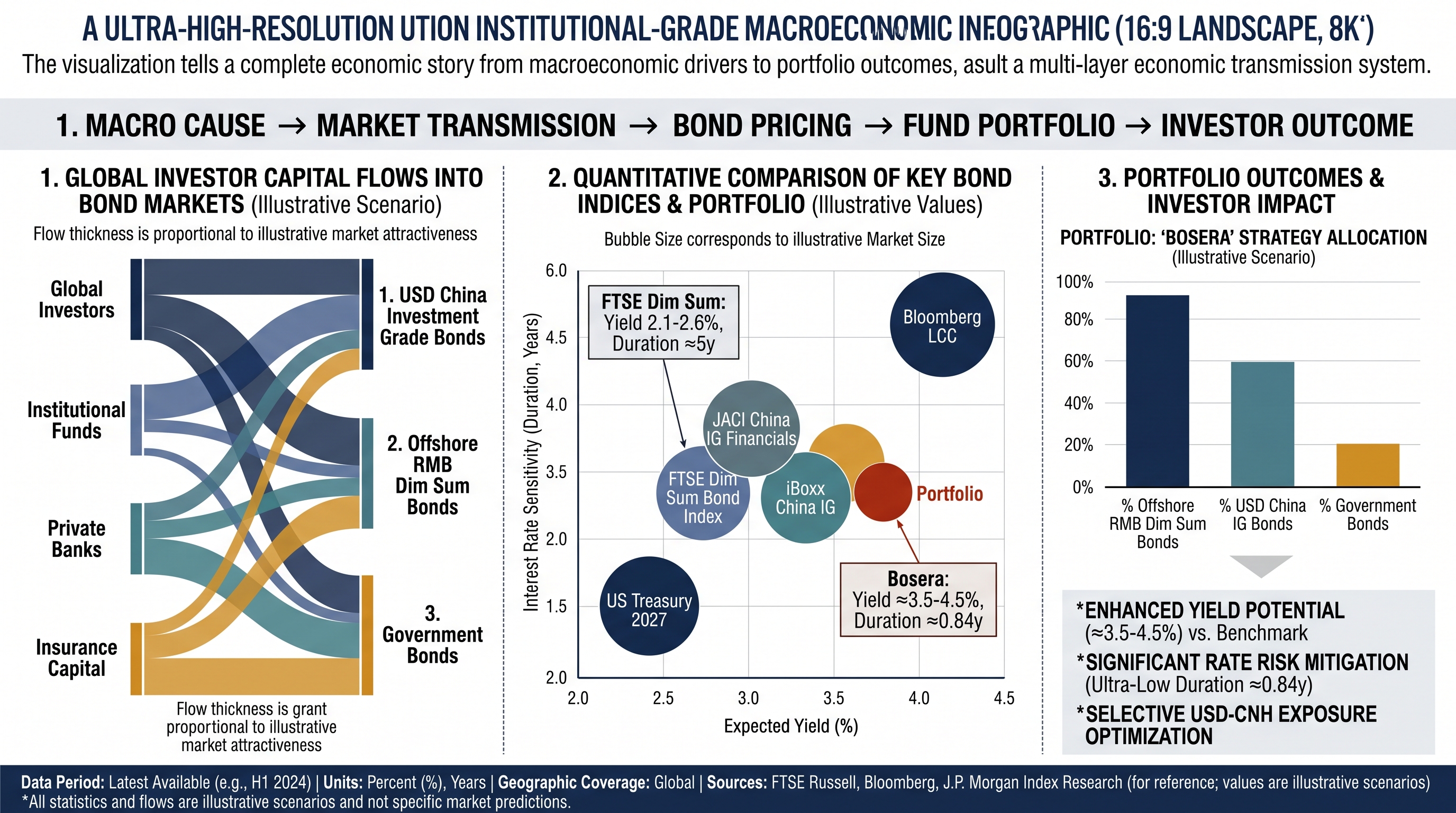
Fixed income is often described as simple because its cash flows are contractual. That description is incomplete. The cash flows may be specified, but the path to receiving them is exposed to rates, spreads, liquidity, refinancing conditions, issuer behavior, and the investor’s own need to sell. Carry is not free income. It is compensation for remaining solvent, patient, and correct enough while the market reprices those risks.
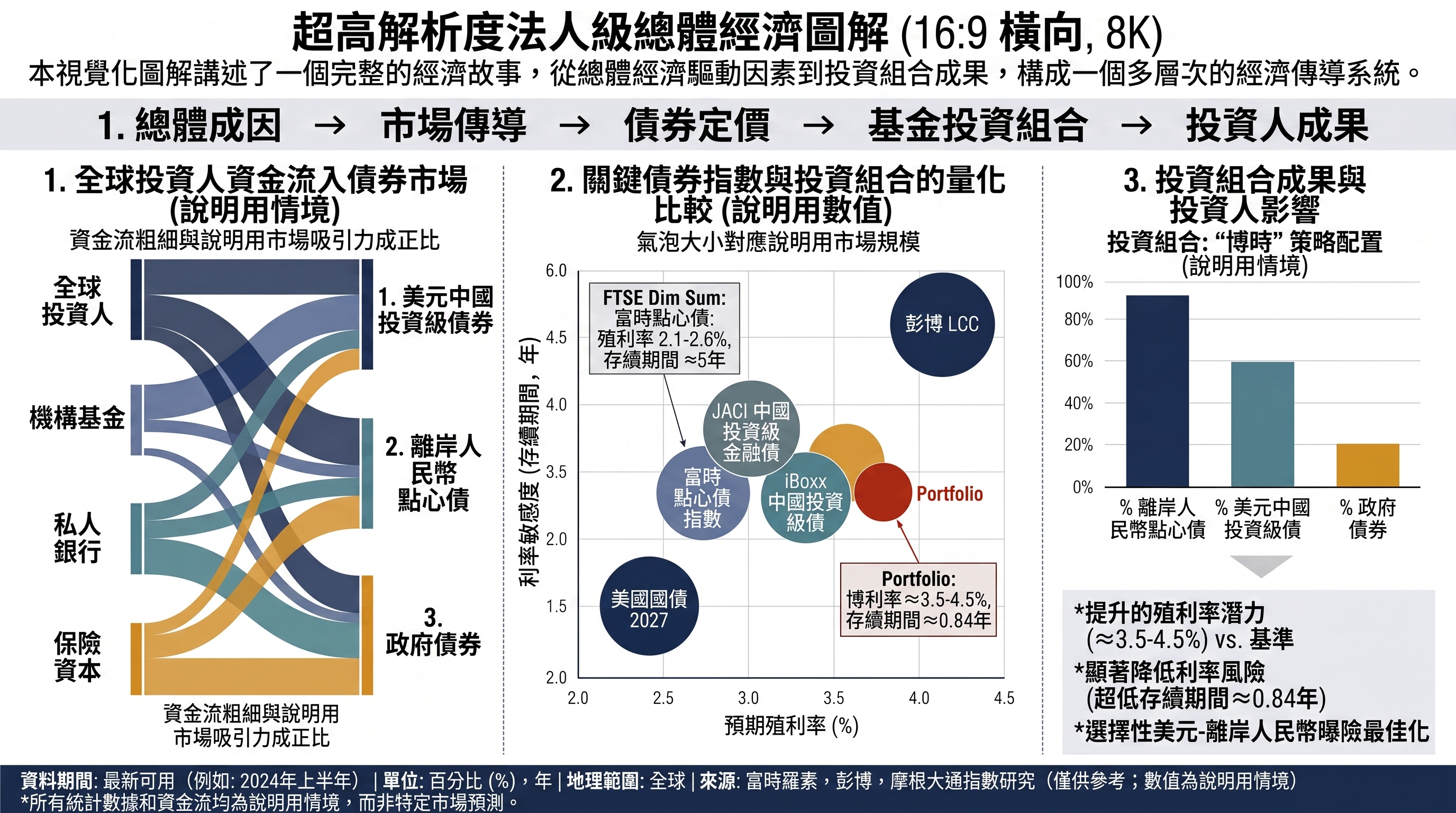
固定收益常被描述為簡單,因為其現金流具有契約性。這個說法並不完整。現金流可以被事先約定,但投資人走到收取現金流的終點之前,仍然會面對利率、信用利差、流動性、再融資條件、發行人行為,以及自身被迫出售的風險。票息並不是免費收入,而是市場對投資人能否在重新定價過程中保持償付能力、耐心與足夠正確所提供的補償。
Our framework separates a bond’s return into the risk-free curve, credit spread, carry, roll-down, financing cost, and realized credit outcome. For a fixed-rate bond, yield to maturity is not the coupon. It is the internal rate implied by purchase price, future coupons, and principal repayment, assuming the promised cash flows are paid and reinvestment assumptions are handled consistently. For a floating-rate note, the coupon reset can reduce duration sensitivity, but it does not eliminate credit, liquidity, basis, or refinancing risk. A floating coupon protects against one transmission channel, not every source of loss.
我們把債券回報拆解成無風險曲線、信用利差、票息收益、曲線滾降、融資成本與最終信用結果。對固定利率債券而言,到期殖利率不等於票面利率。它是由買入價格、未來票息與本金還款所隱含的內部報酬率,前提是承諾的現金流能夠支付,並以一致方式處理再投資假設。對浮動利率票據而言,票息重設可以降低久期敏感度,但不會消除信用、流動性、基差與再融資風險。浮動票息只保護其中一條傳導路徑,不是所有損失來源。
Our market thinking favored short repricing horizons over heroic duration calls. When inflation volatility and term premium remain unstable, a long-duration bond can generate attractive capital gains if yields fall, but it can also turn a modest macro error into a large mark-to-market loss. Short-duration credit sacrifices part of that rally convexity in exchange for a narrower distribution of price outcomes. The trade is not automatically superior. It is superior only when expected carry adequately compensates for default, spread widening, liquidity, and concentration risk.
我們本期的市場思考偏好較短的重新定價週期,而不是押注英雄式的久期方向。當通膨波動與期限溢價仍不穩定,長久期債券在殖利率下降時可以產生可觀資本利得,但也可能把小幅宏觀判斷錯誤放大成顯著帳面損失。短久期信用債放棄一部分債市上漲時的凸性,換取較窄的價格結果分布。這個取捨並非必然較好。只有當預期票息足以補償違約、利差擴大、流動性與集中風險時,它才具有優勢。
Our trading action emphasized maturity alignment. We preferred exposures whose contractual maturity, expected holding period, and liquidity budget were mutually consistent. We compared each credit spread with a maturity-matched government curve rather than with a generic ten-year benchmark. We also distinguished spread that compensates for genuine fundamental risk from spread that exists because a security is operationally inconvenient, temporarily illiquid, or excluded from a benchmark. The former demands caution. The latter can create opportunity, but only if the portfolio can hold through the inconvenience.
交易行動方面,我們把重點放在期限匹配。我們偏好契約到期日、預定持有期與流動性預算互相一致的曝險。我們把每項信用利差與相同到期日的政府債券曲線比較,而不是一律使用十年期基準。我們也區分兩種利差:一種是對真實基本面風險的補償,另一種則來自操作不便、暫時缺乏流動性或未被指數納入。前者要求更高警覺;後者可能創造機會,但前提是投資組合有能力承受這段不方便的持有期。
The position for the year remains +0.00005 unit profit. This tiny positive result does not validate the credit process, but it confirms that the portfolio has not needed to monetize temporary volatility at an unfavorable price. We measure success at this stage by compliance with the risk budget, not by annualizing a negligible observation.
本年度部位仍為 +0.00005 單位正收益。這個極小的結果不能證明信用流程正確,但它說明投資組合尚未被迫在不利價格下把暫時波動變現。現階段我們以是否遵守風險預算衡量成功,而不會把微小觀察值年化後加以宣傳。
The lesson learned is that a wide spread is not automatically alpha. It may be compensation for information the market understands better than we do. Before calling a bond cheap, we require an issuer-level explanation of leverage, interest coverage, cash access, structural subordination, support assumptions, and refinancing dates. We also require a portfolio-level explanation of what happens if several apparently independent credits widen together.
本期教訓是,較寬利差不會自動形成超額收益。它可能只是補償市場已理解、但我們尚未充分理解的資訊。在稱一檔債券便宜之前,我們要求對發行人槓桿、利息覆蓋、現金可取得性、結構性次順位、支持假設與再融資日期作出完整解釋。我們也要求從組合層面解釋,當數個看似獨立的信用同時擴大利差時,會發生什麼事。
A professional fixed-income review separates income that accrues with time from price gains that require a market move. Coupon income, pull-to-par, and curve roll-down can be estimated under explicit assumptions. Capital gain from falling government yields or tighter credit spreads is conditional. We therefore construct a base case that does not require favorable repricing, an upside case that includes orderly spread compression or lower rates, and a downside case that includes wider spreads, weaker liquidity, and an earlier-than-planned sale.
專業的固定收益檢討,會把隨時間累積的收入與必須依賴市場變動的價格收益分開。票息收入、價格向面值收斂與曲線滾降,都可以在明確假設下估算。由政府債券殖利率下降或信用利差收窄帶來的資本利得則具有條件性。因此,我們建立不需要有利重新定價的基準情境、包含有序利差收窄或利率下降的上行情境,以及包含利差擴大、流動性轉弱與提早出售的下行情境。
Duration is treated as a first-order approximation, not a complete loss estimate. Convexity matters for larger rate moves, spread duration can differ from interest-rate duration, and securities with embedded options may behave differently from plain bonds. For floating-rate instruments, low rate duration does not imply low spread duration. We also examine reset frequency, reference-rate conventions, fallback language, coupon caps or floors, and the possibility that funding costs rise faster than coupon income.
久期被視為第一階近似,而不是完整損失估計。當利率變動較大時,凸性會產生影響;信用利差久期可能不同於利率久期;具有嵌入式選擇權的證券,也可能與普通債券呈現不同反應。對浮動利率工具而言,低利率久期不代表低利差久期。我們也會檢查重設頻率、參考利率慣例、備援條款、票息上限或下限,以及融資成本上升速度可能高於票息收入的情況。
Credit selection begins by asking what the spread is compensating us for. We decompose the quoted yield into the government-curve component, issuer credit premium, structural or subordination premium, liquidity premium, and any technical premium caused by benchmark eligibility or investor constraints. A bond is not attractive merely because its yield is high. It becomes potentially attractive when the compensation exceeds a conservative estimate of expected loss, liquidity cost, and uncertainty around refinancing.
信用選擇首先要問,利差正在補償什麼。我們把報價殖利率拆解為政府債券曲線部分、發行人信用溢價、結構或次順位溢價、流動性溢價,以及因指數資格或投資人限制形成的技術性溢價。債券不會只因殖利率高就具有吸引力。只有當補償超過對預期損失、流動性成本與再融資不確定性的保守估計時,它才可能具有吸引力。
Maturity discipline reduces, but does not eliminate, uncertainty. A security approaching maturity may have lower rate sensitivity, yet repayment still depends on cash access, legal structure, and the issuer's willingness and capacity to refinance or repay. We monitor maturity walls at the issuer and sponsor level, not just at the individual-security level. Several small maturities can become one large funding problem when they cluster in the same quarter or rely on the same market window.
到期紀律可以降低不確定性,但不能完全消除不確定性。接近到期的證券可能具有較低利率敏感度,但償還仍取決於現金取得能力、法律結構,以及發行人再融資或還款的意願與能力。我們會在發行人與支持方層級監控到期牆,而不只檢查單一證券。當多筆較小到期集中在同一季度,或依賴相同市場窗口時,它們可能共同形成一個大型融資問題。
For floating-rate debt, we compare coupon reset benefit with declining-income risk under an easing cycle. When policy rates fall, coupon income can reset lower even if the bond price remains stable. This makes floating-rate exposure valuable as protection against higher short rates, but potentially less rewarding when easing proceeds faster than credit spreads tighten. Fixed and floating exposures are therefore combined according to scenario balance, not according to a permanent preference for one coupon structure.
對浮動利率債務,我們會比較票息重設利益與寬鬆週期中的收入下降風險。當政策利率下降,即使債券價格保持穩定,票息收入仍可能向下重設。因此,浮動利率曝險可用於防範短端利率上升,但當寬鬆速度快於信用利差收窄時,回報可能較低。我們會依據情境平衡搭配固定與浮動曝險,而不是永久偏好某一種票息結構。
Our next action is to deepen spread attribution while maintaining a bond-level maturity and cash-flow calendar alongside a portfolio-level liquidity ladder. Every credit position will be monitored against four references: the matched sovereign curve, its sector peer group, its own history, and the portfolio's liquidity stress scenario. Expected coupons and principal repayments will be compared with possible redemptions, margin needs, and stressed collateral requirements. We will add only when the prospective income remains attractive after conservative loss assumptions, and we will reduce exposure when the reason for the spread changes from technical inconvenience to fundamental deterioration. The objective is to avoid becoming a forced seller of a fundamentally sound asset because portfolio cash timing was poorly engineered.
下一步,我們將深化利差歸因,同時維護債券層級的到期與現金流日曆,以及投資組合層級的流動性階梯。每個信用部位都會同時比較四項基準:相同天期的主權曲線、同業群組、自身歷史區間,以及投資組合的流動性壓力情境。預期票息與本金償還,將與可能贖回、保證金需要及壓力抵押品需求進行比較。只有當預期收入在保守損失假設後仍具吸引力時,我們才會增加部位;當利差形成原因由技術性不便轉為基本面惡化時,我們會降低曝險。目標是避免因現金時點設計不良,而被迫出售基本面仍然穩健的資產。